
Item Planner
(Ladder Planning)
Plan weekly sales, track actuals, compare inventory, and revise profit expectations with less manual spreadsheet work.
Ladder Planning is a key function in your inventory planning regimen.
Item Planner has smart features that integrate with your POS data to help you plan, track and revise forward estimates. It’ll tell you how much and when to buy, how to promote and manage inventory flow. All while reducing manual entry, copy/paste/vlookup headaches, and sharing issues from spreadsheet-based tools.
Why Retail and Wholesale Planners Use Item Planner
Plan and Track by Week
The ultimate ladder planning tool to plan and track sales units, dollars, profit and inventory.
Integrates With Your Data
Uses the Intelligent Retail platform enables data sharing from POS, ERP and BI Forecast.
Easy to Set Up and Use
It pulls in all your data automatically so no manual updating.
Built in Intelligence
Smart features like item profiling, price elasticity and multiple trend options ensure more accurate predictions.
Cloud Based
Always available, cross platform, enterprise friendly sharing capabilities.
Create Custom Reporting
Create virtually any view, add custom calculations and integrate with other ERS reports and modules.
Plan. Compare. Revise.
Build a weekly plan using sales history, pricing, promotions, assortment, distribution, lost sales, and inventory goals.
Plan
Build a weekly plan using sales history, pricing, promotions, assortment, distribution, lost sales, and inventory goals.
Compare
Compare actual sales, dollars, inventory, and profit against the original plan as the season or program progresses.
Revise
Update future weeks based on trends so inventory requirements, receipts, and profit expectations stay aligned with reality.
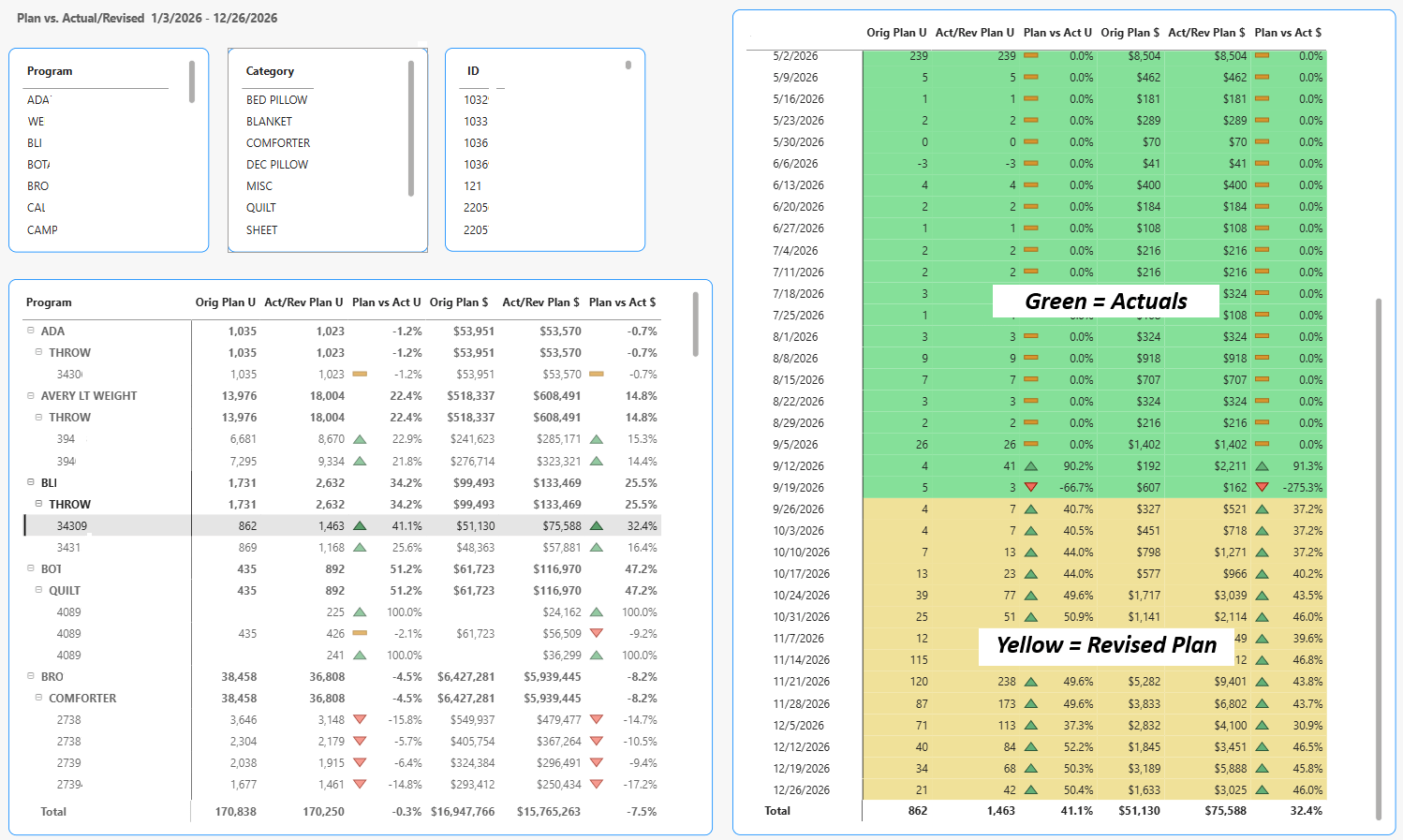
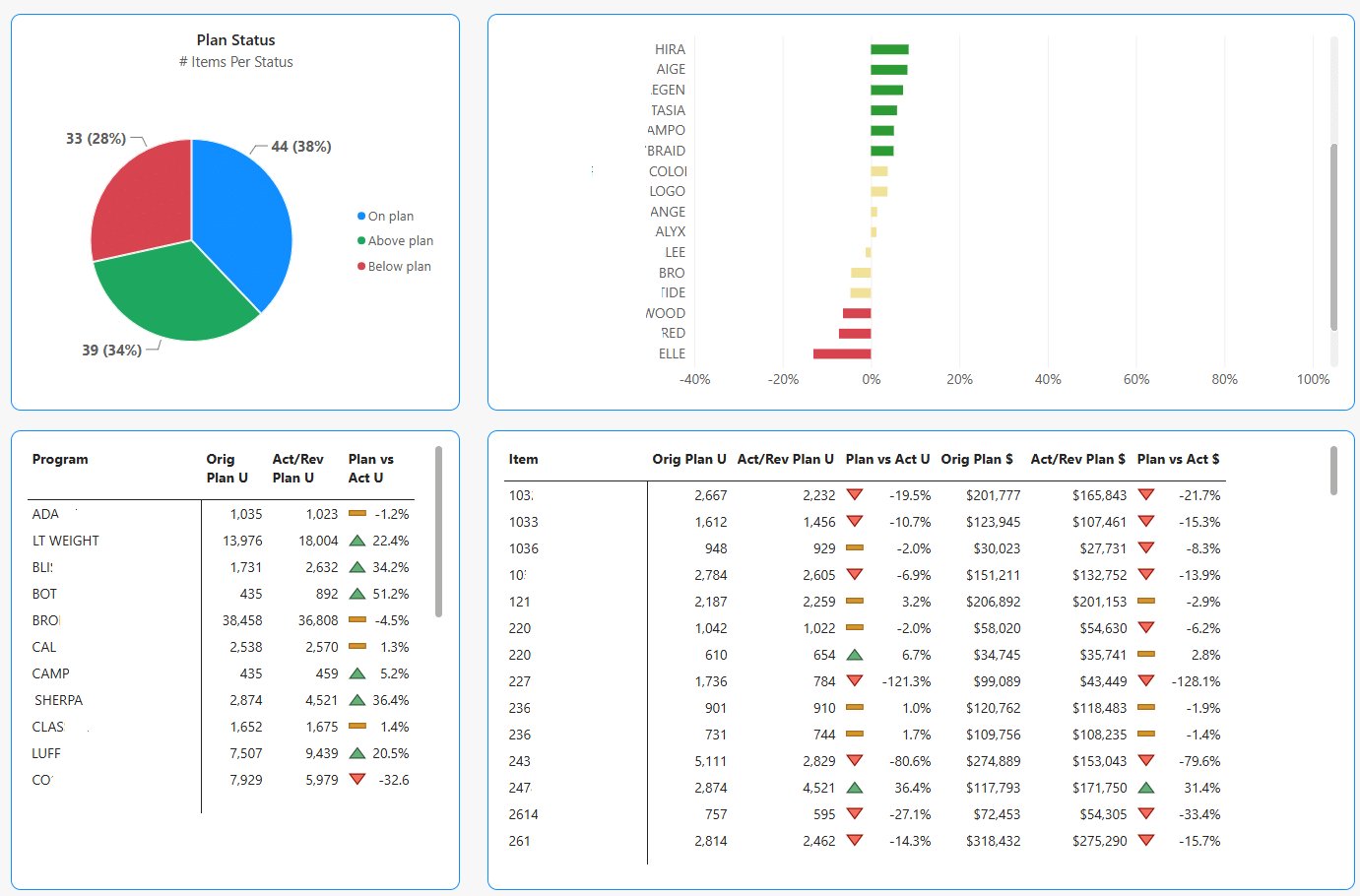
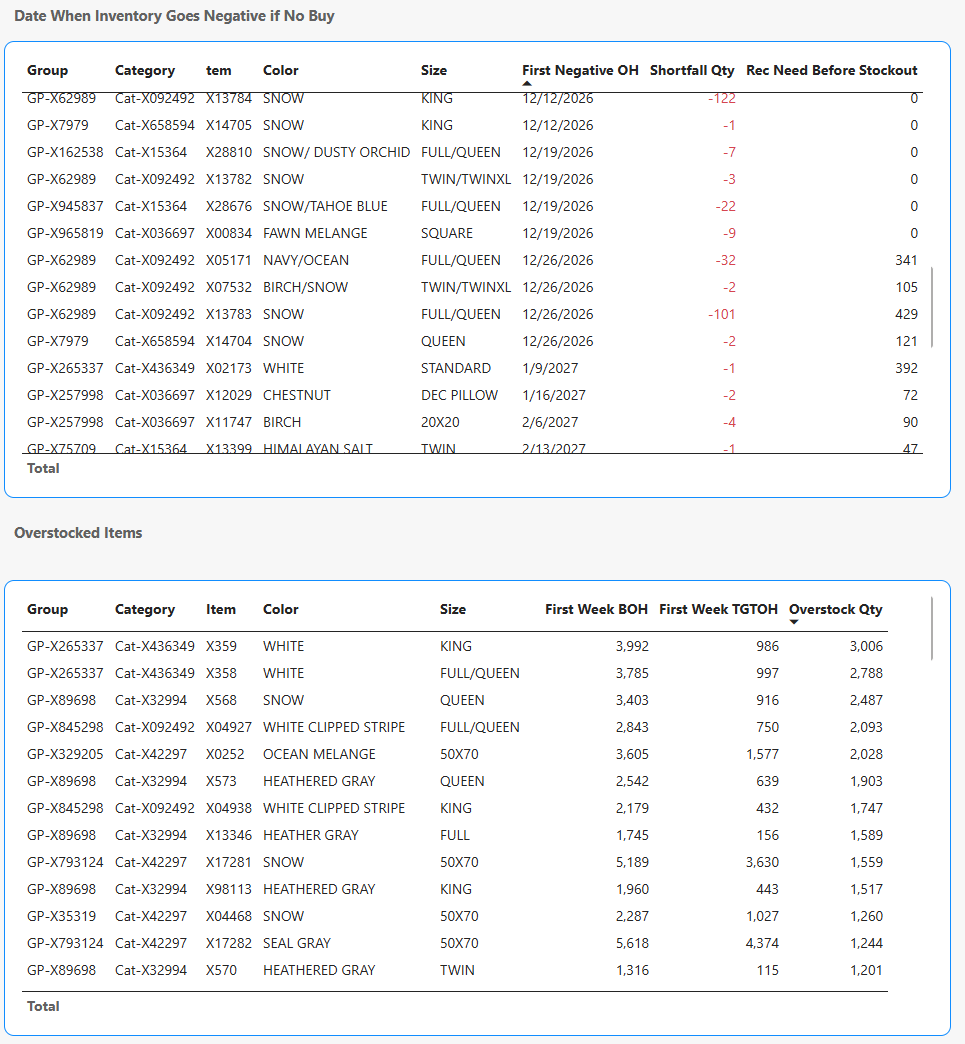
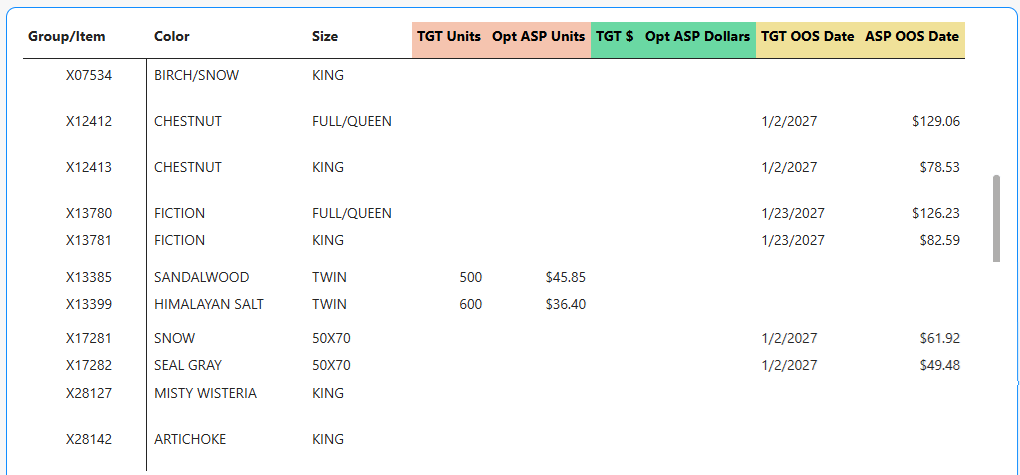
Quickly see which items are on track to make plan and which one’s are not. Need to promote to accelerate the rate of sale? Item Planner will tell you what price it needs to be at to get out of stock by a certain date. It’s far more than a tracking report, it tells you if you need more inventory, how much and when to place it.
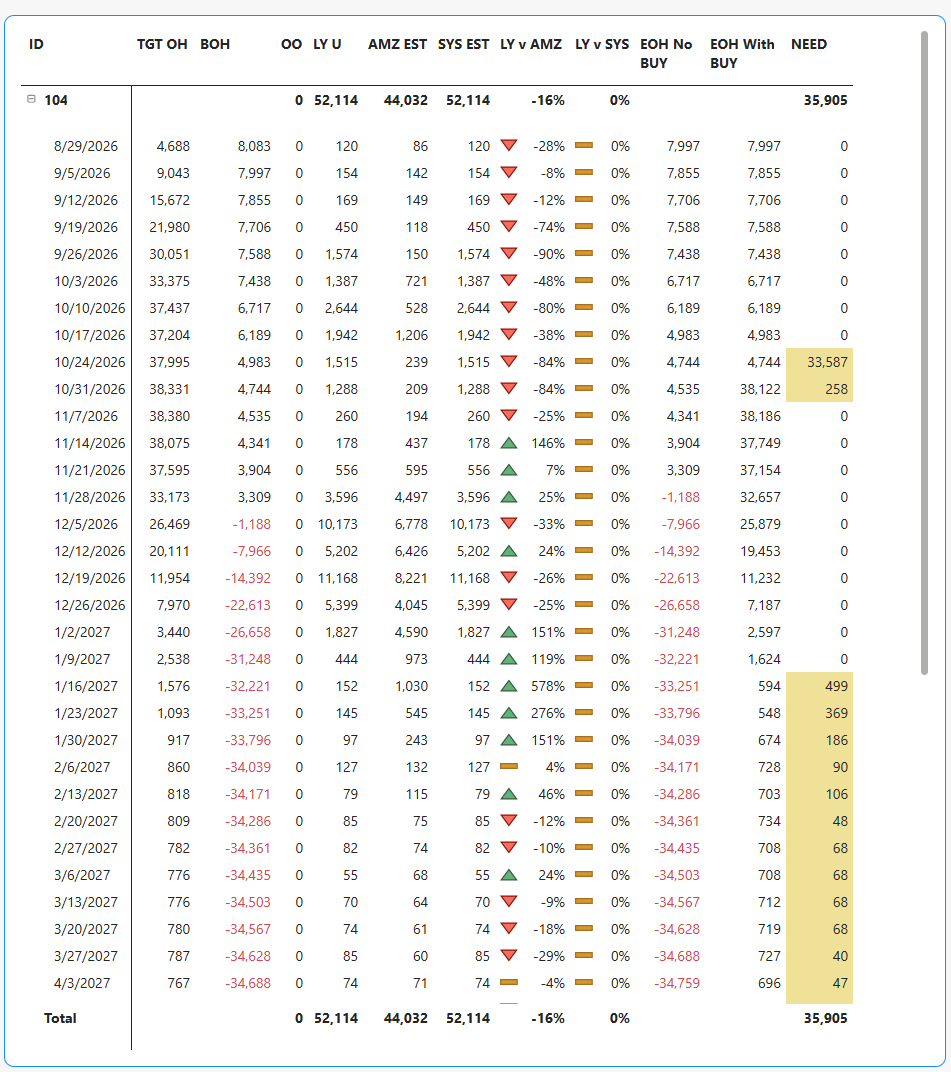
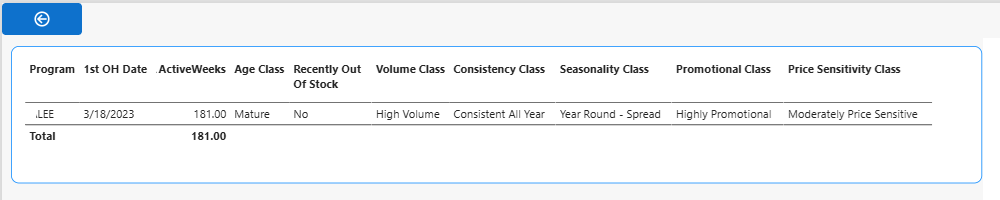
Drill deep into the data to understand each item’s story: maturity, volume class, seasonality, promotional and price sensitivity.

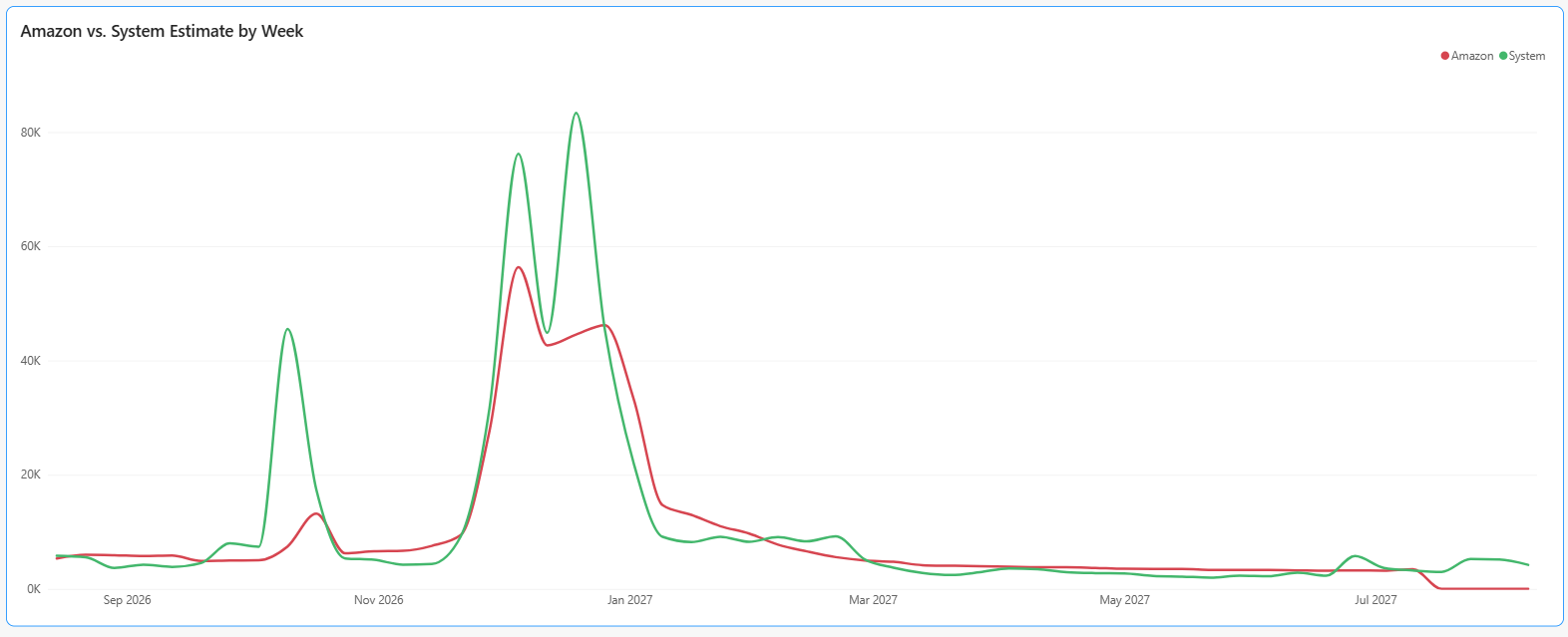
Exception reports help prioritize where action is needed. Track lost sales, inventory liabilities and much more!
Key Benefits of Ladder Planning
More business comes your way.
Provides the sales and planning teams with the capability to enhanced supplier-buyer collaboration.
Facilitates “what-if” scenarios.
Change any parameter and immediately see the net effect on the plan.
Improves inventory productivity.
Improve forecasting accuracy of wholesale and retail inventory needs based on real time info.
Eliminates surprises.
See how your business is doing every week- the sales, inventory and expected end of season profit.
You’ll save money.
Assess risk on end of season margin goals and compare supplier vs. retailer plans.
Enterprise-friendly sharing capabilities.
Provides a single platform for planning and tracking the business across all retail accounts and users.
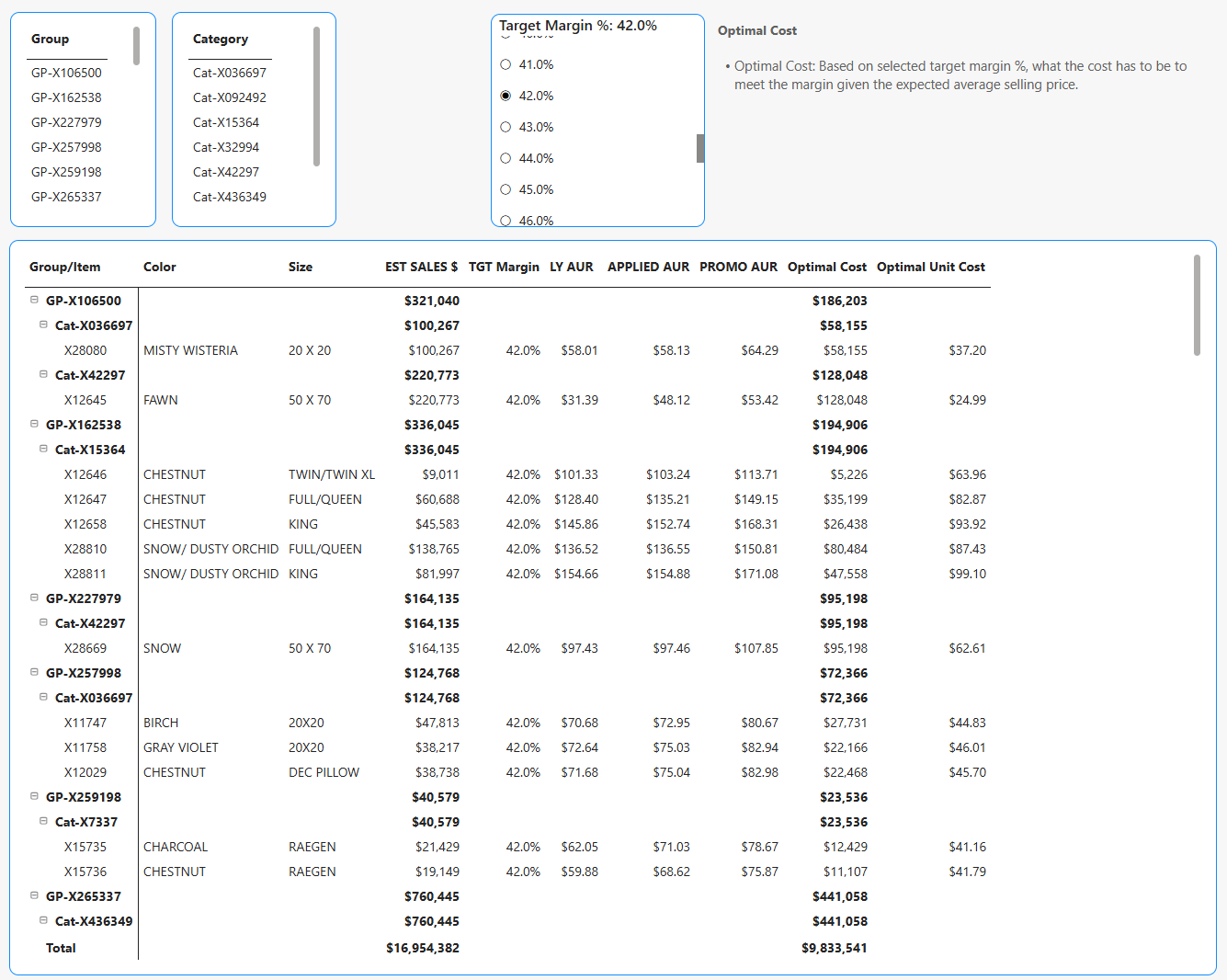
Provides immediate insight to help you take action. Helps answer questions like: What does the price need to be to get out of stock by a specific date? What is the optimal cost to meet a 42% gross margin goal.
Built-In Intelligence for Better Planning
Item Planner does more than track a static plan. Built-in features like price elasticity and trend options help teams understand how changes in pricing, promotional activity, sales trends, and inventory flow affect the future plan.
Price Elasticity
Change promotional activity for a given week and see how unit and dollar sales estimates adjust based on historic lift.
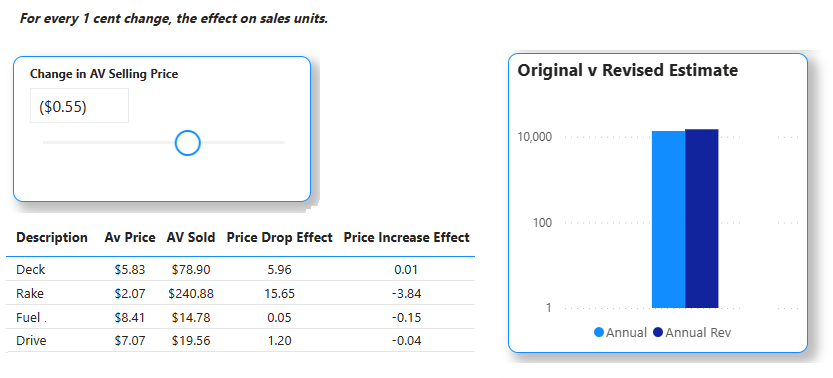
Determine the optimal cost to meet a target gross margin.
Connect Retail Plans to Wholesale Inventory
The tool was designed to be used by either retailers or suppliers or both. If both parties have access to the same data, collaboration is improved and there are less surprises. By including ATS (Available to Sell) and WIP (Work in Process) you can more accurately plan receipts. As trends happen, required inventory levels will be adjusted and then show how the wholesale position looks. Add to or remove future factory orders to see how it will effect the plan.
