By Jake Frimmer, ERS Business Analyst Intern
In today’s fast-paced retail environment, the ability to make informed decisions quickly can set a business apart from its competitors. This is where data analytics comes into play. By leveraging data analytics, retailers and their partners can transform raw data into actionable insights and make decisions that increase efficiency, boost sales, inventory productivity and improve overall profitability.
The retail environment generates vast amounts of data daily, from sales transactions and customer interactions to inventory levels and other supply chain details. However, this data can be an untapped resource without the right tools. Analytics enables users to interpret complex datasets, uncovering patterns and trends that may not be immediately apparent.
Benefits and Value
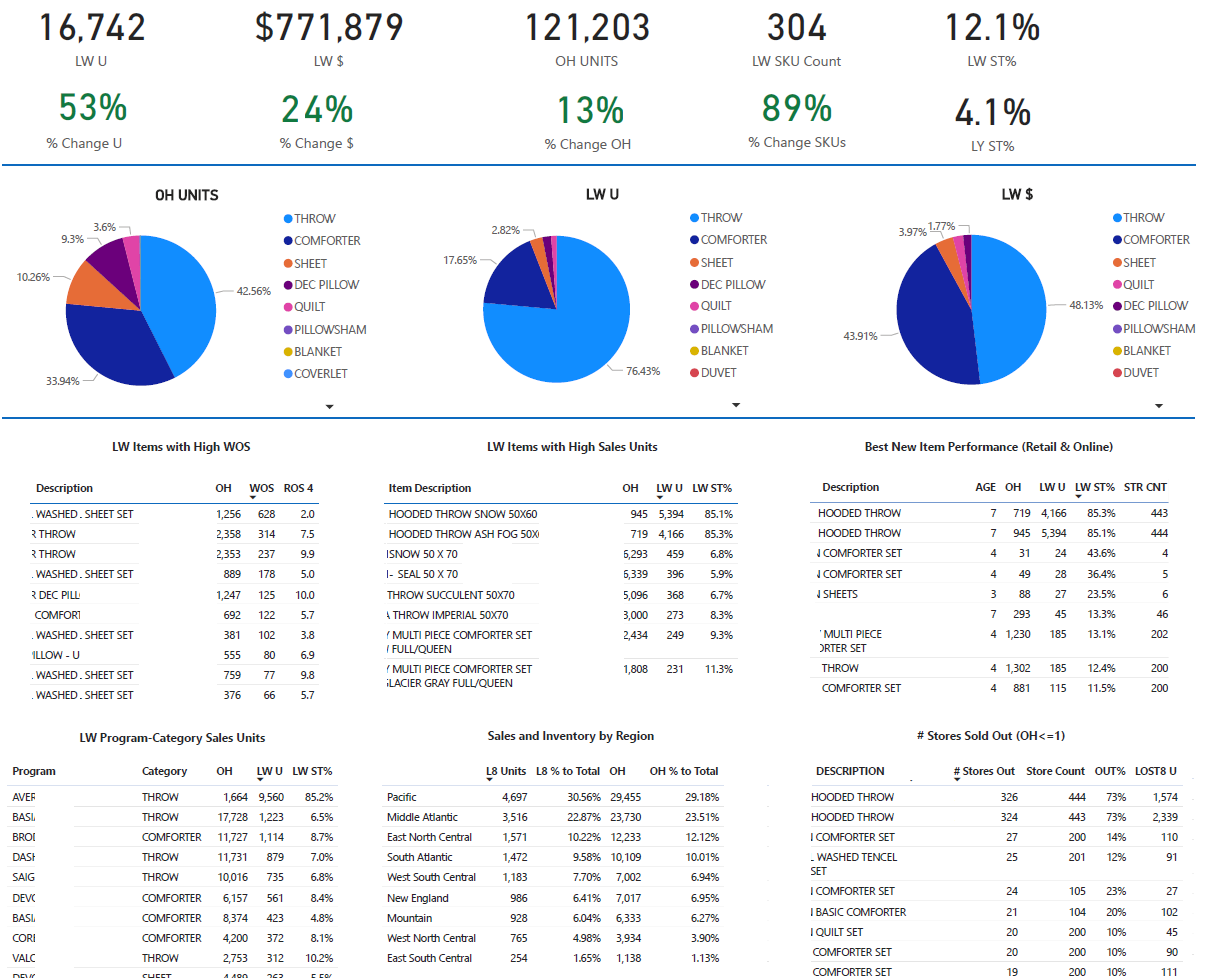
One of the primary benefits of data analytics is its ability to enhance decision-making processes. Thorough analysis allows retailers and their suppliers to better understand customer behavior, preferences, and buying patterns. This information is extremely valuable when it comes to tailoring marketing strategies, optimizing product assortments, and adjusting inventory levels. For example, by analyzing POS data, a retailer can identify which products are most popular amongst different segments and adjust their stocking strategy accordingly. They can also determine lost sales– which happens when inventory isn’t sufficient to support customer demand.
Furthermore, predictive analytics takes decision-making a step further by forecasting future trends by integrating a variety of data sources including historical data. This proactive approach allows retailers to anticipate market changes, prepare for seasonal demand, and stay ahead of emerging trends. For instance, during the year-end holiday selling period, predictive analysis will help retailers forecast demand for specific categories and products, enabling them to stock up appropriately and meet customer expectations.
Beyond the Numbers
The benefits of delivering action through analytics extend beyond operations to other facets of the business. Strategies driven by data insights can lead to better customer experiences and loyalty. By understanding customer preferences and behaviors, retailers can personalize their offerings and marketing messages, creating a better overall shopping experience. Personalized recommendations, targeted promotions, and customized communication strengthen the connection between the customer and the business, making them feel more valued.
Implementation
Implementing an effective analytics strategy requires combining the right technology, personnel, and mindset. Businesses must invest in dependable analytics tools that can handle large volumes of data and provide valuable insights. Learning how to interpret and act on these insights is crucial for maximizing the benefits of these tools. At ERS we have the intelligence, experience, expertise and tools to help business translate data into actionable insights. Our solutions allow businesses to unlock the full potential of their data and achieve tangible results, gaining a competitive edge in the market.
In conclusion, delivering action through analytics helps empower decision-making. By harnessing the potential of data analytics, retailers can gain valuable insights, optimize operations, and enhance customer experiences. As the retail landscape evolves, those who leverage analytics effectively will be well-positioned to thrive and succeed. Embracing a data-driven approach is not just an advantage; it is becoming a necessity in the modern retail world.
Comments are closed